The Stone Roses: The Album That Changed the Room
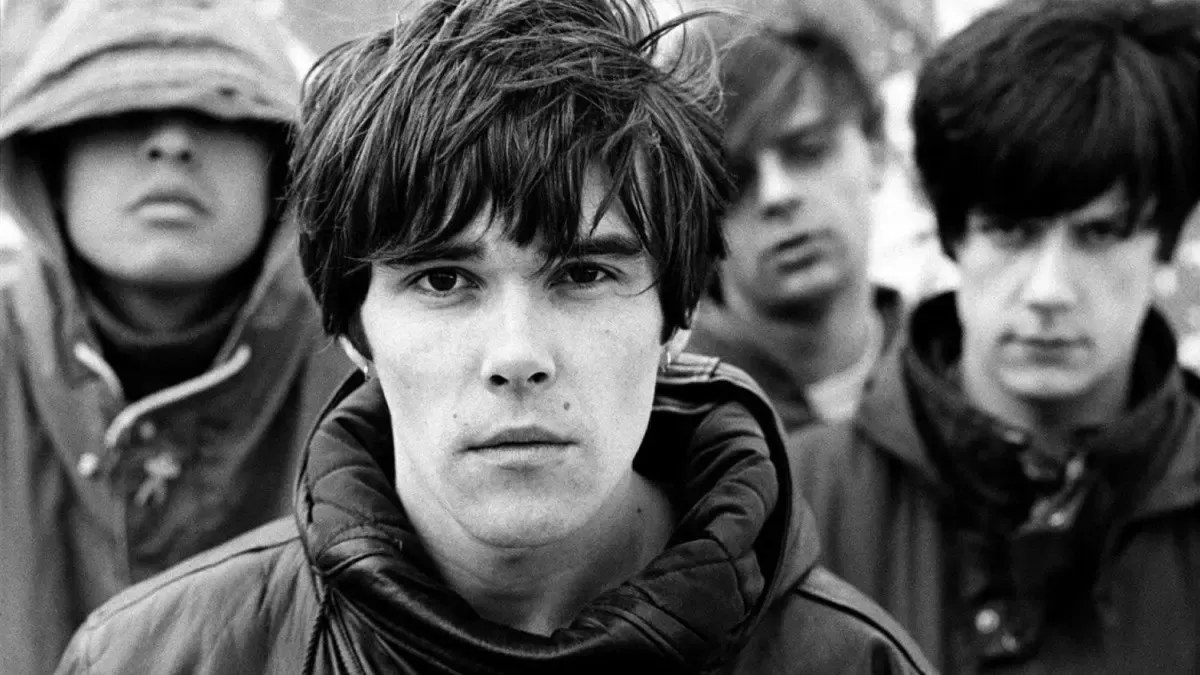
Some albums arrive and become successful.
Some arrive and become part of the furniture.
Then there are albums that quietly walk into the room, put their feet on the table and rearrange the place without asking permission.
The Stone Roses did that.
Released in 1989, it didn't explode overnight. There wasn't a switch pulled where Britain suddenly stopped and announced a new era had begun. It crept in through bedrooms, record shops, buses and headphones. Then one day people looked around and realised things felt different.
The thing about The Stone Roses is that people often talk about what came after it.
Madchester.
Baggy jeans.
Adidas trainers.
Haircuts.
Britpop.
The swagger.
But the album itself sits in a strange place because it somehow sounds tied to a moment while also sounding like it escaped time altogether.
Press play and "I Wanna Be Adored" doesn't start so much as emerge from fog. That bassline creeps in. Reni's drums start breathing. Then Ian Brown arrives with one of the most ridiculous and brilliant opening statements in music history.
Not because it's complicated.
Because it's honest.
Everybody wants to be adored.
And suddenly you're in.
The record moves like four people who understood that guitar music didn't have to stand still. You can hear the sixties in John Squire's guitar lines, dance rhythms hiding underneath Mani and Reni, and something else sitting over the top that nobody really had a name for yet. Years later people would try to explain it. Back then it just felt new.
For anyone growing up around Manchester and the North, there was something else too.
The accent.
The attitude.
The feeling that local lads had somehow made something enormous.
Music before that could still feel imported. Like it belonged somewhere else.
Then The Stone Roses arrived sounding like they had walked in from around the corner.
No pretending.
No polishing the edges.
Just confidence.
Tracks like "She Bangs The Drums" somehow manage to feel weightless, while "Made of Stone" hangs in the air like it already knows you're going to spend years coming back to it. And "I Am The Resurrection" ends the whole thing by throwing out the rulebook entirely. Most bands would finish with a chorus. The Roses disappear into a four minute instrumental jam and somehow make it feel completely natural.
Even the artwork felt like a statement.
John Squire's paint splatters, the lemons, the colour and chaos of it all looked less like a sleeve and more like evidence from a movement. The lemons themselves were inspired by stories of protesters using them against tear gas during the Paris protests of 1968.
But maybe that's why this album still matters.
Because it never feels like nostalgia.
Nostalgia usually softens things.
The Stone Roses still has sharp edges.
You hear it now and it doesn't sound old.
It sounds like possibility.
Like standing outside a venue before the doors open.
Like your mates saying, "You've got to hear this."
Like being young enough to believe music can still change everything.
Maybe that's why people still return to it.
Not because they want to remember who they were.
Because for fourty-eight minutes it reminds them who they wanted to be.